

Wanting to make a difference is one thing. Knowing where to start is another entirely. If you’ve felt the pull to get involved in your community but aren’t sure how to translate that impulse into actual action, you’re not alone. Many people want to participate in community activism as a beginner but get stuck at the first hurdle, unsure whether they have the right skills, enough time, or the confidence to show up. This guide cuts through that uncertainty and gives you practical, honest steps to go from interested bystander to active contributor, no prior experience required.
Table of Contents
- Key takeaways
- Finding your place: interests, skills, and local needs
- Ways to get involved in community activism
- Practical first steps: joining groups and contacting decision-makers
- Overcoming challenges and staying the course
- My perspective on starting your activism journey
- How Whitebunnywabbit supports beginner activists
- FAQ
Key takeaways
| Point | Details |
|---|---|
| Start with what you care about | Aligning your activism with personal values makes it sustainable and more effective long-term. |
| Multiple entry points exist | From volunteering hands-on to digital campaigns, there is a role that fits your skills and schedule. |
| Contacting representatives works | Personal messages to lawmakers are logged and can genuinely shape policy decisions. |
| Collective action beats solo effort | Persistent, collaborative involvement creates far more lasting change than individual acts. |
| Burnout is preventable | Setting limits, tracking progress, and building a support network keeps you involved for the long haul. |
Finding your place: interests, skills, and local needs
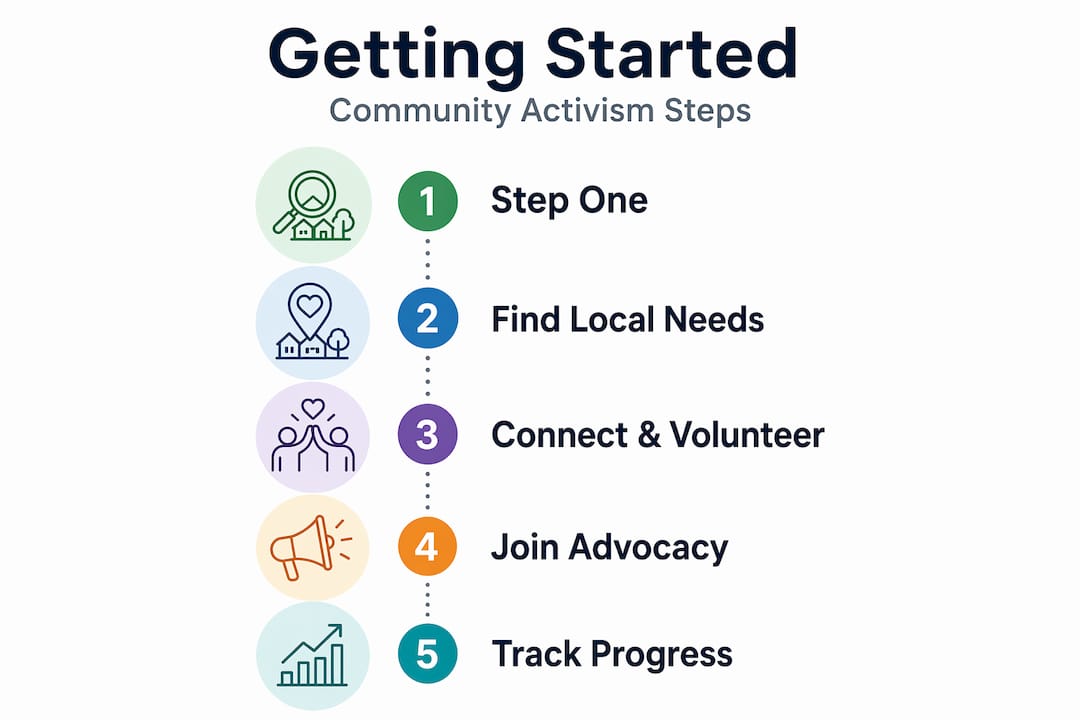
Before you join a march or sign up to volunteer, take twenty minutes to sit with a few honest questions. What issues make you angry? What problems in your neighbourhood do you talk about with friends? Which news stories do you find yourself unable to scroll past? Your answers point directly toward the causes where your energy will last longest.
Once you know what you care about, audit what you bring to the table. You don’t need a law degree or a megaphone. Consider these questions:
- Do you write clearly? Local groups always need letters, press releases, and social media posts.
- Are you good at organising? Event logistics, meeting coordination, and volunteer rosters are perpetually underdone.
- Can you design? Flyers, graphics, and campaign visuals are in constant demand.
- Do you have professional expertise in healthcare, law, finance, or education? That knowledge has direct activist applications.
- How many hours a week can you realistically offer? Even two hours a fortnight makes a difference.
The next step is research. Attend a local council meeting, read your borough’s annual report, or simply talk to people at a community centre. You’ll often find that the most pressing local issues are not the ones dominating national headlines. Activism doesn’t require formal titles or expertise. What it requires is awareness and a willingness to show up consistently.
Pro Tip: Search your local council’s website for public consultations currently open. These are live opportunities to contribute your voice to decisions already being made about your community.
Ways to get involved in community activism
One of the most persistent myths about activism is that it means standing on a picket line in the rain. The reality is far broader. There are roles for every temperament, schedule, and skill set, which means there is genuinely no barrier to entry for a motivated beginner.
Volunteer roles in advocacy organisations typically fall into three categories: skills-based contributions, hands-on support, and digital advocacy. Each serves a distinct and necessary function within the movement.
| Type of involvement | What it looks like | Time commitment | Best suited for |
|---|---|---|---|
| Hands-on volunteering | Event support, canvassing, food drives | 3 to 8 hours per week | People who prefer face-to-face work |
| Digital advocacy | Social media campaigns, emailing MPs, online petitions | 1 to 3 hours per week | Those with limited time or mobility |
| Skills-based contribution | Graphic design, writing, web management | Flexible, project-based | Professionals wanting targeted impact |
| Administrative support | Data entry, scheduling, correspondence | 2 to 4 hours per week | Detail-oriented organisers |
| Financial contribution | Donating or fundraising for local causes | Minimal ongoing time | Those with financial capacity |
Digital advocacy actions such as social media amplification and emailing legislators are among the most accessible options. They require no travel, no specific qualifications, and can be completed from a phone. For beginners who want to test the waters before committing to something larger, this is an excellent starting point.
Hands-on volunteering tends to be the most immediately visible and socially rewarding. Canvassing a street, serving at a community event, or distributing resources lets you see the impact of your efforts in real time. It also connects you with other people who share your values, which matters enormously when motivation dips.
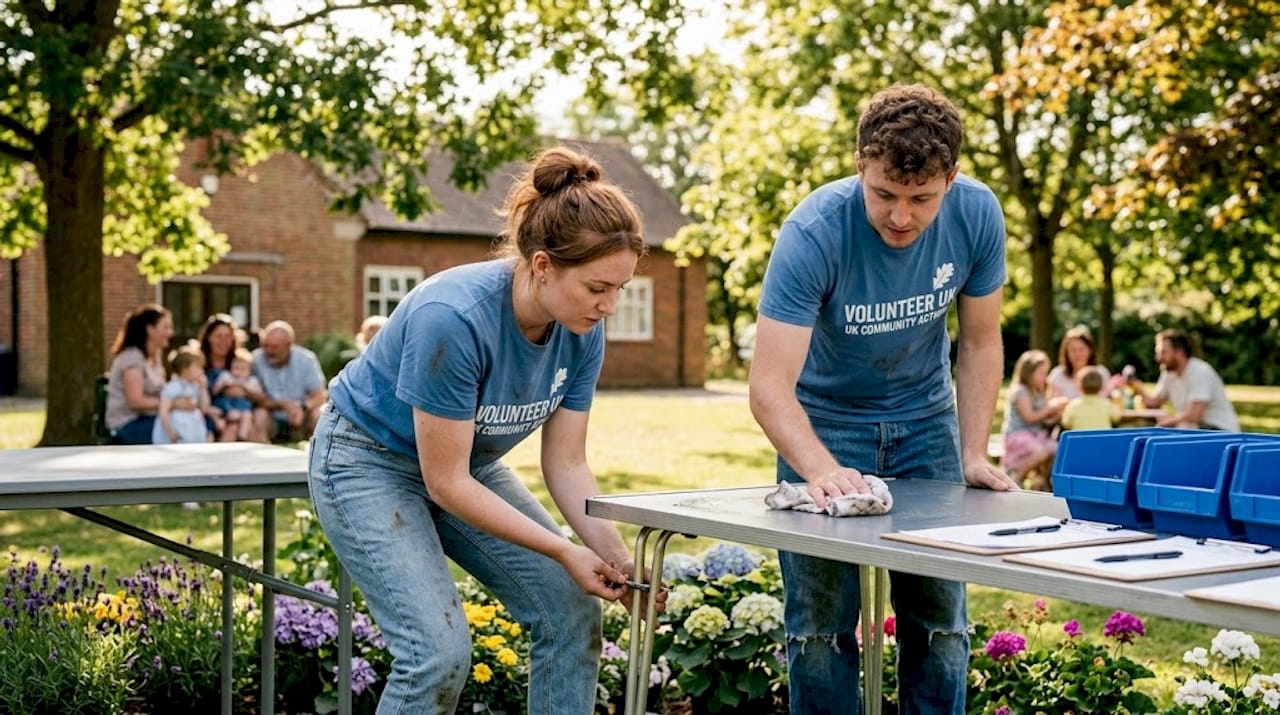
You can also explore community projects that highlight how local activism takes shape in practice, giving you a clearer picture of what meaningful involvement actually looks like on the ground.
Practical first steps: joining groups and contacting decision-makers
Knowing you want to get involved and actually doing it are separated by one thing: a specific first action. Here is a structured sequence that removes the guesswork.
- Search for local groups. Use platforms like Meetup, Facebook Groups, or your local council’s voluntary services directory to find active organisations aligned with your cause.
- Attend one meeting as an observer. You don’t need to speak. Just listen, ask one question, and introduce yourself at the end. That single meeting is worth more than a week of online research.
- Contact your elected representatives. The Capitol switchboard in the US is reachable at (202) 224-3121. In the UK, you can find and email your MP directly through the Parliament website. Town halls and constituency surgeries are also open to the public.
- Write a personal message. Constituent messages are logged by lawmakers and can directly influence their arguments and policy positions. Personal stories frequently appear in floor speeches and newsletters. A one-paragraph email from you is not wasted effort.
- Attend a community meeting or rally. Go once. See how decisions are made and who is in the room.
- Sign up for updates. Most advocacy organisations offer mailing lists and volunteer action calls. The ACLU’s People Power network, for example, provides monthly action calls and virtual training series to empower participants at every level.
Pro Tip: When contacting a representative, keep your message to three sentences: who you are, what you’re asking for, and why it matters to you personally. Brevity and specificity are far more effective than length.
For those exploring legislative contact tools, platforms like OneGov for Associations offer structured ways to manage representative outreach, particularly useful for groups coordinating multiple contacts at once.
Overcoming challenges and staying the course
Starting is the hardest part, but sustaining involvement is where most beginners struggle. Understanding the common obstacles in advance means you won’t be caught off guard when they arrive.
- Feeling overwhelmed is almost universal at the start. There are too many causes, too many meetings, and too much noise. The solution is to pick one issue and one group and stay there for at least three months before expanding.
- Intimidation comes from comparing yourself to seasoned activists who seem to know everyone and everything. Every single one of them was once in your exact position.
- Burnout is real and preventable. Set a firm limit on your weekly hours, protect one day from any activism-related activity, and treat that boundary seriously.
Seeking allies early is one of the most practical things you can do. Forming a discussion group or a small local initiative with even two or three other people creates accountability, shared energy, and resilience against discouragement.
“Small consistent acts by many create momentum and lasting change.” League of Women Voters
Grassroots activism research consistently shows that persistent, collective action drives successful change far more reliably than individual heroic acts. This is genuinely good news for beginners. You don’t need to be extraordinary. You need to keep showing up.
Track your progress in concrete terms. Count the letters sent, the meetings attended, the people you’ve spoken to. Visible progress, even small amounts of it, sustains motivation through difficult stretches.
My perspective on starting your activism journey
I’ve been following political and community issues for a long time, and I’ll tell you what I’ve consistently observed: the people who make the most lasting local impact are rarely the loudest or the most credentialed. They are the ones who showed up twice when everyone else showed up once.
What I’ve found is that beginners often underestimate the value of their fresh perspective. You notice things that long-term activists no longer see because familiarity breeds blind spots. Your questions are not naive. They are often the exact questions that expose where the movement has gone stagnant.
In my experience, the first three months of involvement are the most revealing. You’ll quickly discover whether your chosen cause genuinely sustains your interest or whether you were chasing a feeling rather than a commitment. Both are useful discoveries. Redirect early if you need to. There is no honour in burning out for a cause you never truly connected with.
What I believe most strongly is this: imperfect, consistent action will always outperform perfect, occasional action. Don’t wait until you know enough, or feel ready enough, or have enough time. Start with what you have. Grow from there.
— John
How Whitebunnywabbit supports beginner activists
If this guide has sparked something in you, the next step is simple: keep reading and keep learning.

Whitebunnywabbit publishes political news and commentary that helps readers understand the issues shaping their communities, from local government decisions to international policy shifts. For those looking to develop a deeper grounding in the civic and political context behind community causes, the education resources on Whitebunnywabbit are a solid starting point. The site is built for people who take public affairs seriously and want to engage with them thoughtfully. Visit Whitebunnywabbit to explore the full range of content available, and start building the knowledge that makes activism meaningful.
FAQ
What does it mean to participate in community activism as a beginner?
It means taking your first consistent steps to support a local or social cause, whether through volunteering, contacting representatives, or joining a community group. Activism starts with awareness and small, repeated actions rather than dramatic gestures.
How do I find local activism groups to join?
Search your local council’s voluntary services directory, use platforms like Meetup or Facebook Groups, or attend an open community meeting. Most established groups actively welcome new members and offer clear onboarding for beginners.
Does contacting my MP or representative actually make a difference?
Yes. Personal outreach messages are logged by lawmakers and can directly influence their policy positions and public communications. A brief, personal email citing your own experience is more effective than a generic form letter.
How much time do I need to commit to community activism?
Even one to two hours per week creates genuine impact, particularly through digital advocacy such as emailing representatives or sharing campaign content. The key is consistency over intensity.
How do I avoid burning out as a new activist?
Set a firm weekly limit on your hours, choose one cause to focus on initially, and build connections with other activists for mutual support. Collective action and shared effort sustain individual motivation far more effectively than going it alone.
Leave a Reply