

Tracking political news and investigative analysis through a single publication leaves gaps in issue coverage and perspective diversity. Many established outlets require subscriptions for in-depth investigations or prioritise rapid headline aggregation, which often sacrifices depth, author accountability or freely accessible material for educators and campaigners. This overview compares five political news sources on editorial stance, access model, and content depth so you can match your research and advocacy needs without losing context or citation clarity.
Table of Contents
Whitebunnywabbit
At a Glance
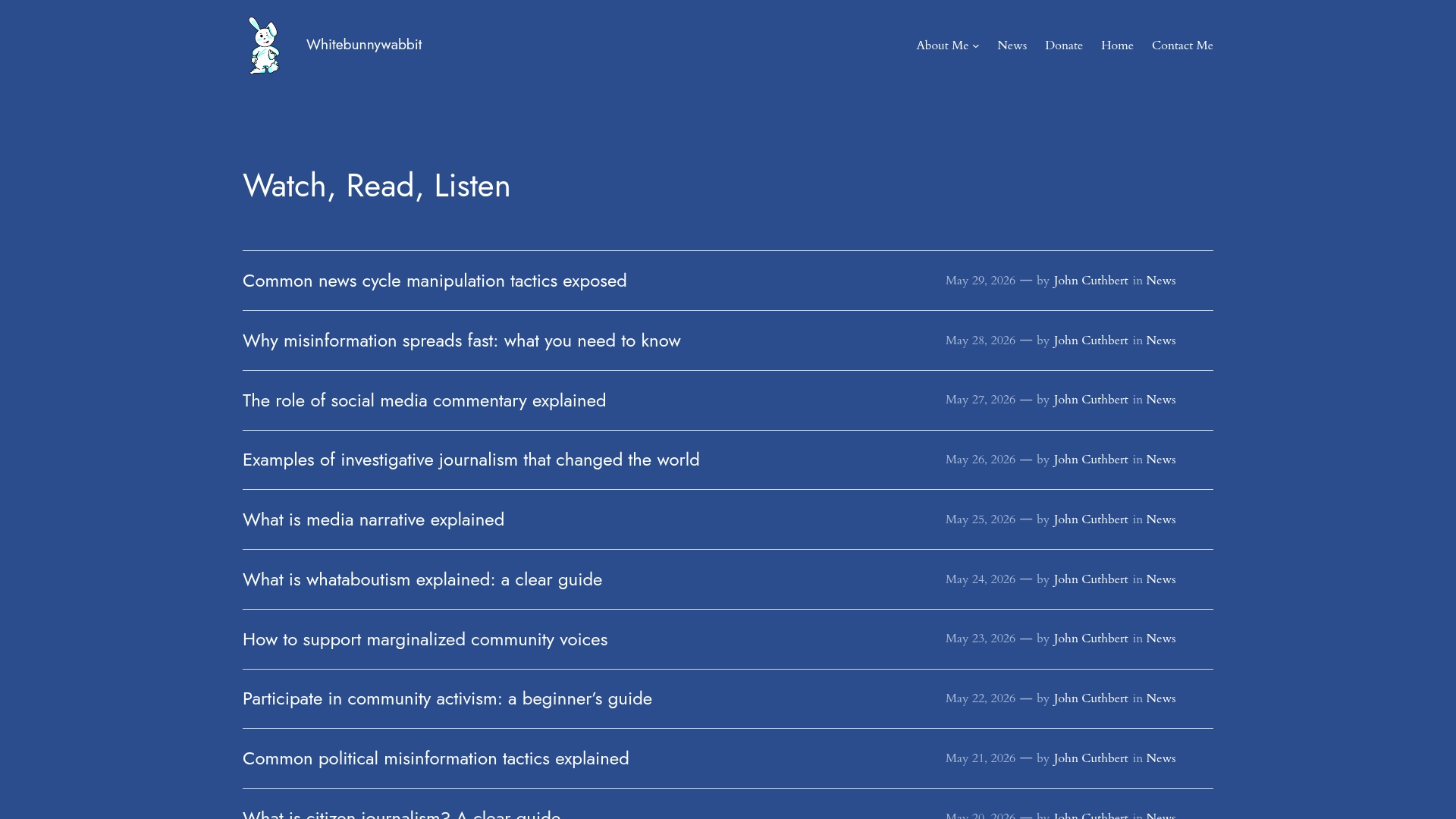
Articles and guides credited to John Cuthbert anchor Whitebunnywabbit with a focused effort to expose news cycle manipulation, misinformation and recurring media narratives. The site is built on WordPress, offers free educational material on media literacy and social activism, and the index shows some broken or moved pages.
Core Features
- News articles and guides authored by John Cuthbert that examine misinformation tactics and editorial framing.
- Educational content on media manipulation designed for readers who want practical guidance on spotting biased reporting and social media influence.
- Built on WordPress with a minimalist layout featuring sections for viewing, reading and listening.
Key Differentiator
The clearest distinction is a consistent editorial voice: Whitebunnywabbit pairs investigative-style pieces with civic-minded commentary from a single named author. That concentrated perspective steers analysis toward community activism and media literacy rather than broad editorial aggregation.
Pros
- Provides deep, focused analysis on misinformation and the mechanics of media narratives. The pieces often unpack tactics rather than merely summarising headlines.
- Emphasises media literacy and community engagement, so content reads like briefings you can assign to a class or a local campaign team.
- Free access removes paywall friction for students and grassroots organisers who need primary-source commentary without subscription barriers.
- The site’s minimalist layout makes it straightforward to move from an article to the listening or reading section without clutter.
Cons
- Some pages appear broken or moved, which interrupts research flows and can leave referenced guides inaccessible.
Who It Suits
Media educators, student researchers, journalists focused on misinformation, and local activists looking for evidence‑based talking points. If you want a single expert viewpoint and teachable guides rather than a broad aggregator of many voices, this fits your workflow.
Unique Value Proposition
Named authorship and free distribution matter practically. Because articles are attributable to a single expert, instructors and campaigners can cite specific analyses by name and assign material without licence negotiations. For classrooms and community groups that need vetted, readable primers, that reduces preparation time.
Real World Use Case
A university media studies lecturer compiles a reading list on media manipulation and assigns a Whitebunnywabbit feature by John Cuthbert. Students annotate tactics identified in the article, then consult the site’s listening section for primary social media examples during seminar discussion.
Website: https://whitebunnywabbit.com
RawStory
At a Glance
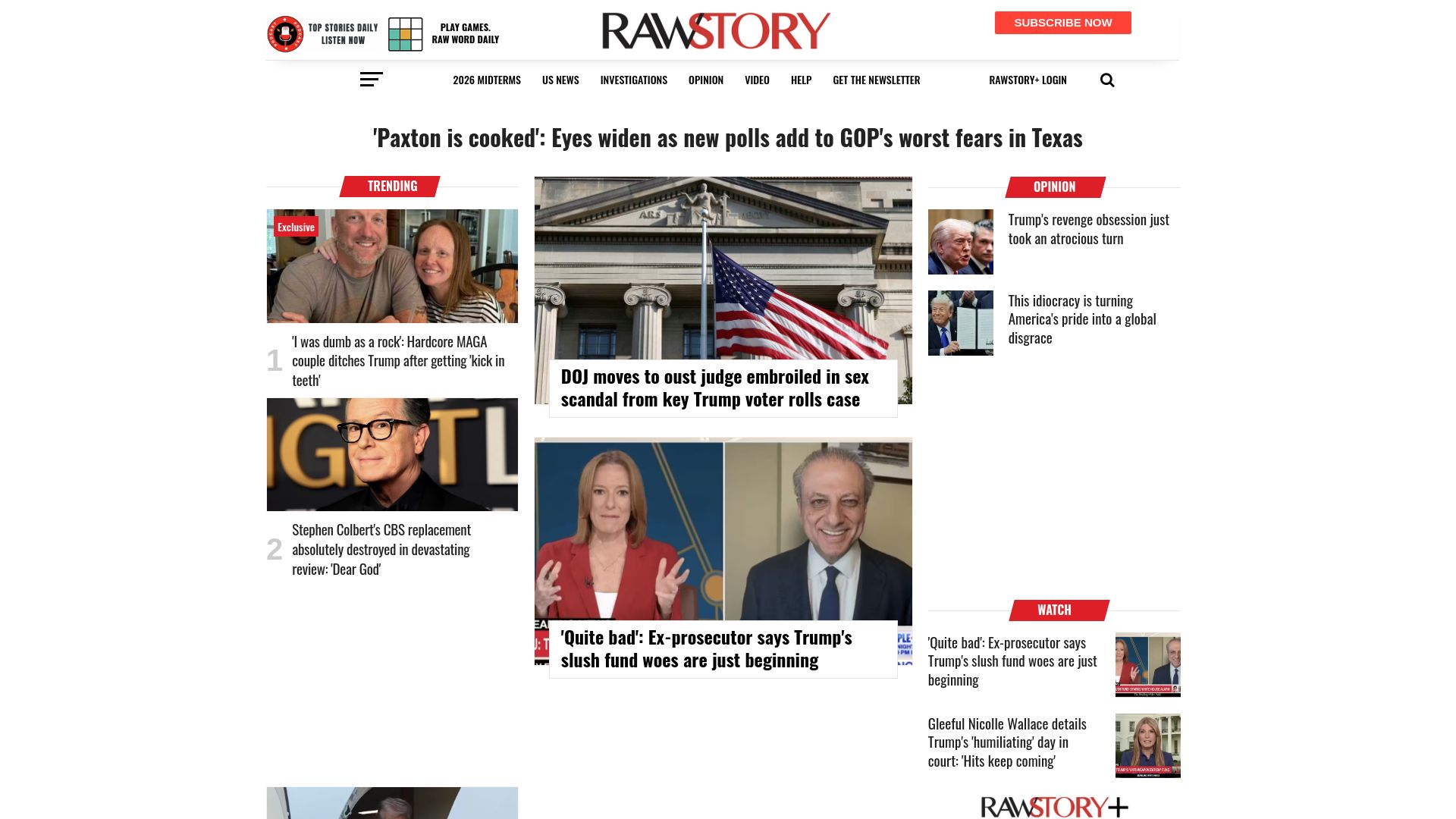
RawStory’s editorial pages now include a subscription tier called RawStory+ for premium content and exclusive investigations, according to the publisher. The site pairs timely breaking coverage with opinionated commentary and a sustained focus on US political scandals and government accountability.
Core Features
- Breaking news coverage delivered as short updates and headline stories aimed at rapid context.
- In-depth investigations that run as multi-part features and document-based reporting on political subjects.
- Opinion and commentary sections where analysts and columnists interpret events rather than just report them.
- Video interviews and reports supplement articles, and a subscription tier offers paywalled exclusives.
Key Differentiator
What sets RawStory apart is its editorial emphasis on sustained investigative work into political secrecy and scandals rather than neutral event aggregation. That narrower remit produces longer reads, sourcing public records and whistleblower material, and prioritises accountability reporting over balanced, centre-left neutrality.
Pros
-
Comprehensive investigative journalism. The site publishes multi-article investigations that cite documents and original reporting, useful when you need primary material rather than summaries.
-
Timely breaking news updates. Short alerts and headline pieces let you follow unfolding political stories without delay.
-
Diverse formats. Opinion, longform investigations and video content give you context, analysis and visual interviews in one place.
-
Clear editorial stance. If you want an outlet that treats political accountability as its organising principle, RawStory’s voice is consistent and focused.
-
Active social presence. The publisher amplifies investigations and follow-ups on social platforms, which helps track developments and corrections.
Cons
-
Paywall for some material. Several investigations and exclusive pieces sit behind the subscription tier, so full access requires payment.
-
Progressive editorial slant. Reporting leans left and sometimes adopts adversarial language, which can reduce perceived neutrality for readers seeking centre coverage.
-
US-centric focus. International news is limited, so the site is less useful if global reportage is your priority.
When It May Not Fit
If you need an entirely free, apolitical newsfeed or broad international coverage, RawStory is the wrong fit. Likewise, libraries, universities or newsrooms that demand strictly neutral sourcing will find the outlet too opinion-forward for citation as an impartial backbone.
Who It’s For
Progressive-leaning readers, activists, researchers and journalists who prioritise accountability reporting will find RawStory valuable. If your interest is digging into American political scandals, following investigatory threads or using reporting to inform advocacy, this publication fits that workflow.
Real World Use Case
A political analyst compiling a report on alleged government misconduct follows a RawStory investigation, cross-checks the cited public records and quotes the reporting timeline in a briefing. The combination of source links and follow-up pieces speeds verification and shapes the analyst’s presentation.
Website: https://rawstory.com
The Dispatch
At a Glance
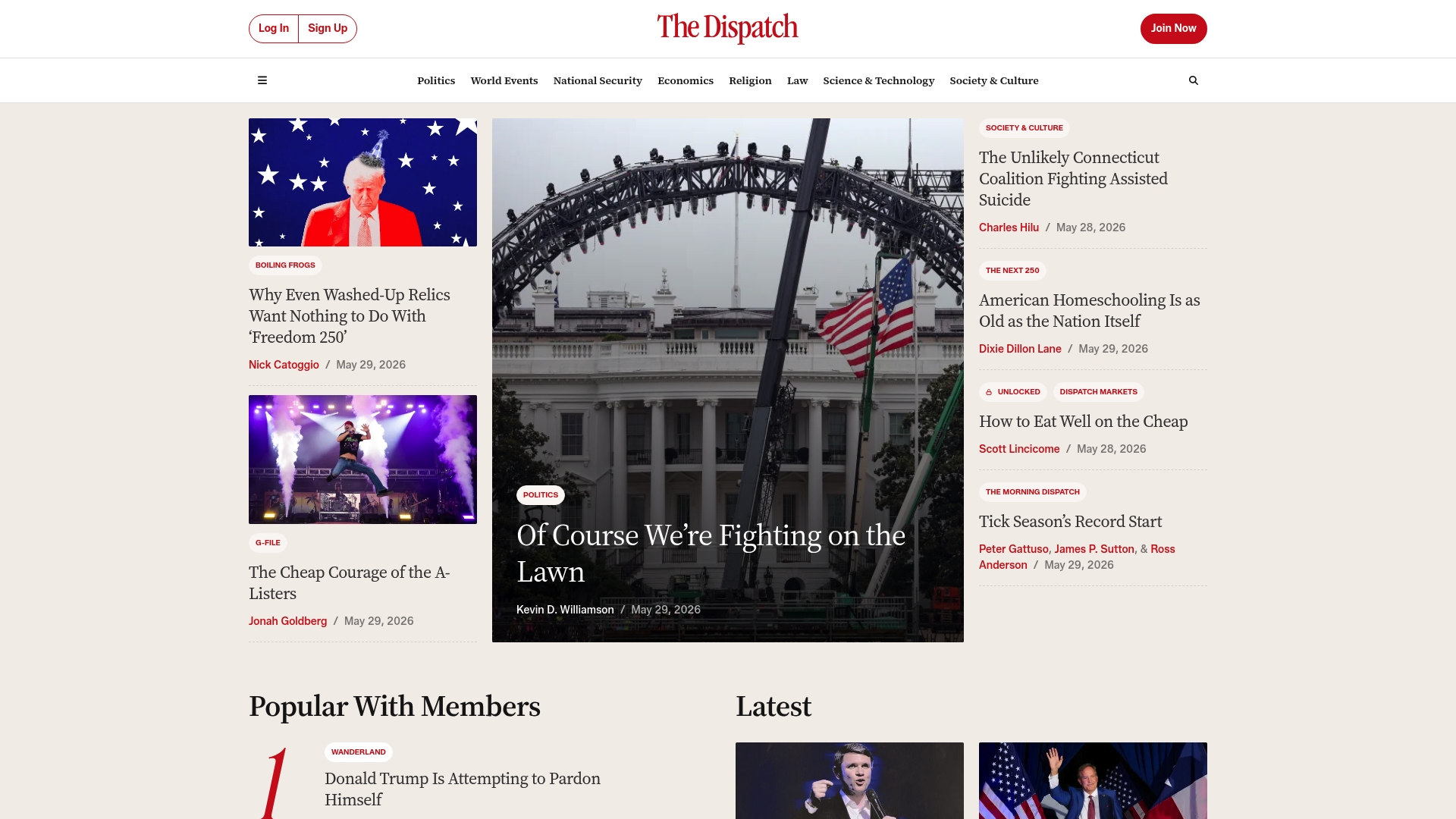
Subscription-backed reporting that pairs longform analysis of U.S. politics with regular podcasts and targeted newsletters, all produced by a roster of named authors who emphasise bias-aware, responsible coverage.
This model trades free aggregation for curated, member-focused journalism and clearer editorial signals.
Core Features
-
In-depth political and cultural reporting that leans on reporting and analysis rather than quick hits.
-
A range of podcasts and newsletters tailored to different beats, from law to national security.
-
Regular author contributions that present distinct perspectives across politics, religion and society.
-
Focused coverage of legal developments and governance, alongside select international reporting.
-
An editorial stance that foregrounds responsible, bias-aware journalism in its mission.
Key Differentiator
The Dispatch centres its identity on deliberate, bias-aware commentary from respected writers rather than algorithmic aggregation. That editorial posture shapes story selection and tone, making it a clearer fit for readers who prefer authored analysis over the mixed-signal feeds common on aggregator blogs such as Whitebunnywabbit.
Pros
-
Well researched. The reporting emphasises documented sources and legal context, which helps analysts and commentators cite work confidently.
-
Multi-format reach. The combination of podcasts and newsletters lets you follow a story by ear or by email without losing context.
-
Author-driven voices. Named contributors reduce the anonymous op-ed problem and give readers a sense of accountability and expertise.
-
Narrow topical focus. Coverage that concentrates on politics, law and religion makes it quicker to find deep coverage on those beats.
-
Editorial consistency. The editorial approach is consistent across formats, so newsletters and podcasts echo the same standards you see in articles.
Cons
-
Subscription details are not prominent in the material provided, which can frustrate readers who want transparent membership tiers.
-
The emphasis on U.S. governance means fewer deep pieces on non-U.S. regions, so international affairs readers may find gaps.
-
The format favours analysis over rapid aggregation, which feels slower if you want headline roundups or broad topic sweeps.
When It May Not Fit
If you rely on a free, aggregated feed of varied sources like the minimalist, blog-style curation offered by Whitebunnywabbit, The Dispatch’s paid, author-led model will feel narrow.
Also avoid it if your primary need is exhaustive international reporting rather than focused coverage of U.S. law and politics.
Who It’s For
Engaged citizens, commentators and professionals who value measured, source-forward reporting on U.S. governance, law and cultural debates and who are willing to pay for predictable editorial standards.
Real World Use Case
A political analyst subscribes for article deep dives and the legal newsletters ahead of committee hearings. They listen to a Dispatch podcast on the commute, read a targeted newsletter at lunch, and cite a Dispatch explainer when drafting briefing notes.
Website: https://thedispatch.com
Truthout
At a Glance
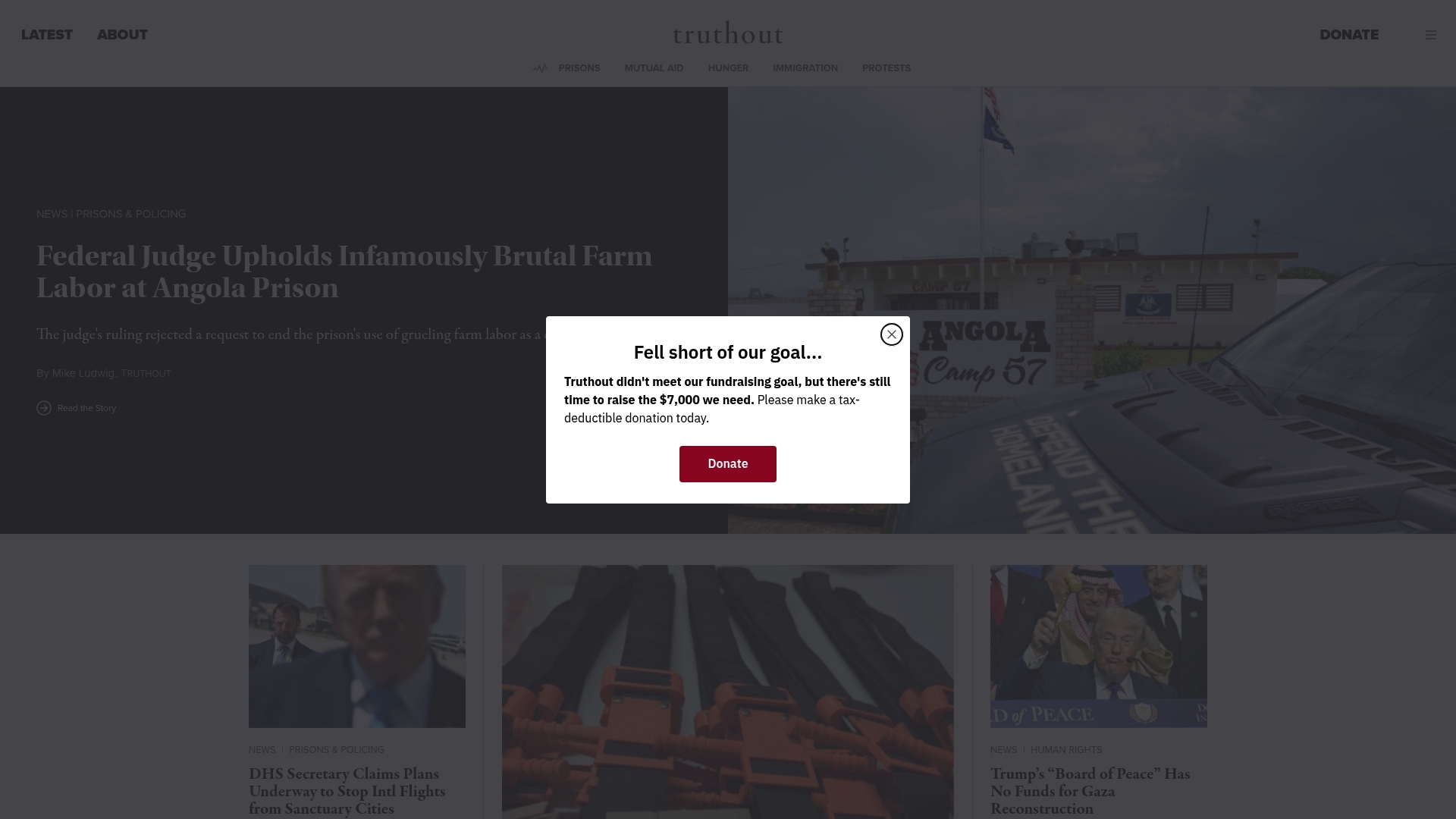
Founded in 2001, the organisation depends largely on reader contributions rather than advertising revenue, which shapes editorial choices and funding priorities. It publishes investigative reporting and commentary focused on social justice, environmental policy, and grassroots campaigns to spur awareness and collective action.
Core Features
-
Independent reporting on social justice issues across crime, labour, climate, and health, often with longform analysis rather than quick hits.
-
Investigative journalism that pursues systemic stories and documents sources, plus a platform for activist voices and coalition pieces that amplify local organisers.
-
Supports grassroots journalism through collaborations, guest contributions, and editorial features that connect community campaigns with wider readership.
Key Differentiator
The newsroom’s steadfast commitment to progressive, community-centred coverage sets it apart from mainstream outlets that balance corporate advertising and donor influence. That editorial stance prioritises movement-oriented reporting and connections between local campaigns and national debates.
Pros
-
Dedicated focus on social justice and systemic change keeps sustained attention on slow‑burn issues that mainstream outlets drop after a day.
-
Nonprofit status reduces direct corporate advertising pressure, which helps preserve editorial independence and a consistent advocacy angle.
-
Wide topical reach means you can read pieces on criminal justice reforms, environmental policy, and labour struggles in one place rather than hunting specialist sites.
-
Practical support for grassroots journalists and coalition reporting gives community organisers a route to national exposure and resource sharing.
-
Active engagement on social platforms and partnerships increases the chances a story will reach networks outside traditional newsrooms.
Cons
-
Heavy reliance on donations creates revenue volatility and can complicate long term planning for staff and projects.
-
Limited commercial or advertising income constrains budgets for expensive investigative projects and sustained foreign coverage.
-
The editorial perspective leans progressive, which may feel partial to readers seeking strictly neutral or centre ground reporting.
When It May Not Fit
If you want neutral, strictly balanced reporting with formal separation from advocacy, this outlet’s mission‑driven approach will not match your needs. Also, readers seeking broad commercial resources or comprehensive international bureaus will find coverage that prioritises US social movements and policy threads.
Who It’s For
Social justice advocates, community organisers, students, and researchers who prefer reporting that connects policy to activism will find this useful. It suits readers who want analysis geared towards civic action rather than detached daily briefings.
Real World Use Case
A community organiser uses Truthout features to brief volunteers on local criminal justice campaigns, shares an investigative piece at a town hall, and leverages linked resources to coordinate petitions and outreach with neighbouring groups.
Website: https://truthout.org
The Intercept
At a Glance
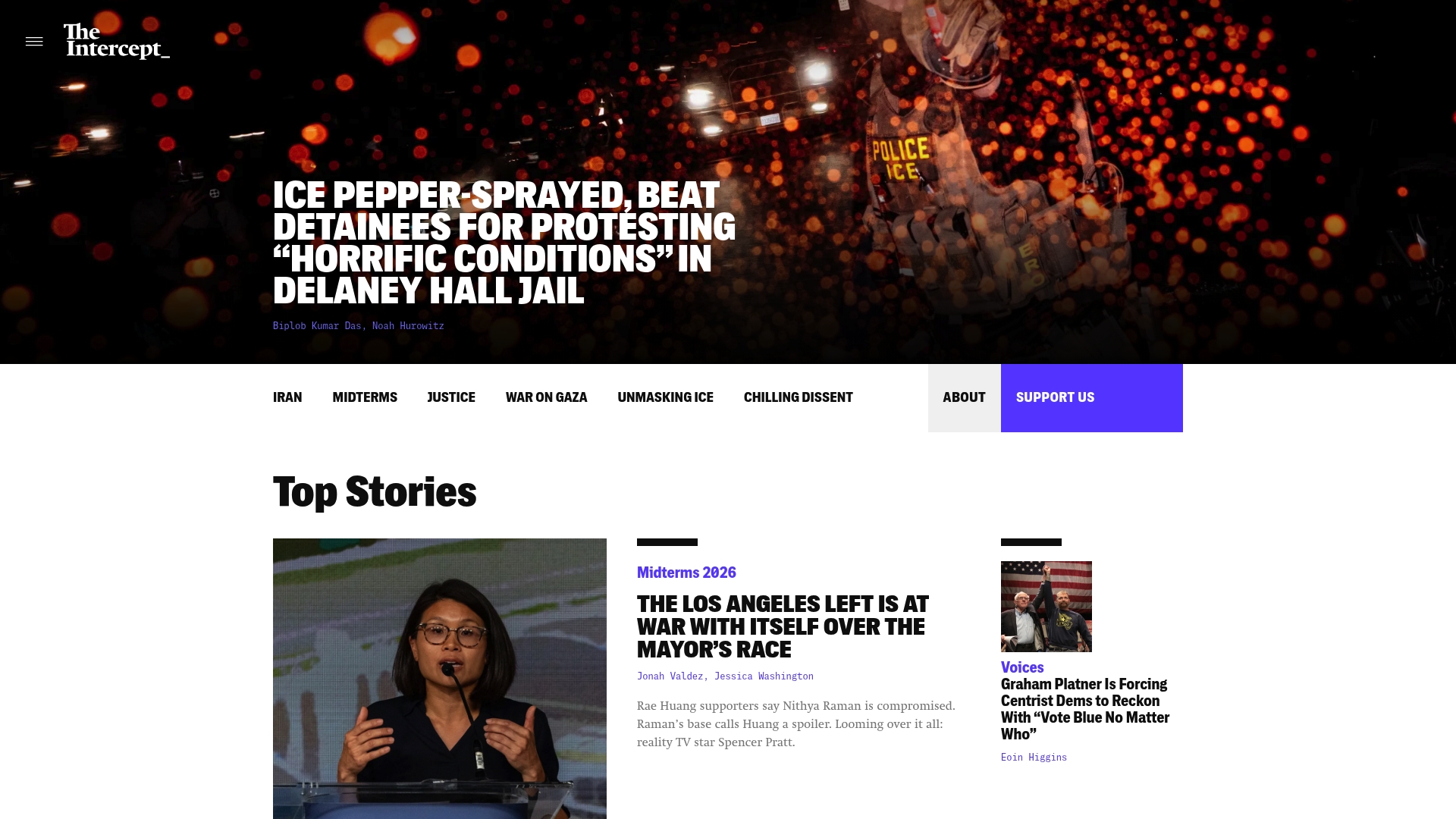
Relying primarily on reader donations, The Intercept sustains longform investigations, podcasts and special reports focused on corruption, civil liberties and foreign policy. Founded in 2014, the outlet aims to publish journalism that prompts public scrutiny and accountability.
Core Features
-
Investigative reporting that pursues longform exposes across politics, justice and international affairs.
-
A slate of podcasts and special reports that extend investigations into audio and serialized formats.
-
Impact documentation and editorial policies that make provenance and outcome visible for readers.
-
A membership and donation platform letting supporters fund reporting outside of advertiser models.
Key Differentiator
The Intercept’s operational model centres on reader-funded investigative work and public transparency rather than traffic-driven aggregation. Compared with Whitebunnywabbit’s personal blog and news-aggregation approach, The Intercept targets sustained investigations and institutional accountability rather than rapid headline curation.
Pros
-
According to third-party reviews, the outlet is frequently described as independent of corporate control; that assessment underpins trust among readers who reject advertiser-funded media.
-
The editorial record includes investigations that reviewers credit with prompting legal or legislative scrutiny, which gives its reporting tangible follow through.
-
Multimedia formats broaden reach: podcasts, special reports and newsletters turn single investigations into referenceable resources for researchers and campaigners.
-
Membership features let readers directly support beats and series, which helps sustain long investigations that require months of reporting.
-
Editorial transparency is visible on the site through policy pages and impact notes, making sourcing easier for academics and journalists.
Cons
-
The site offers few consumer-facing features beyond content delivery and donations, so readers looking for aggregation tools or personalised feeds will find limited functionality.
-
Dependence on reader funding may shape editorial priorities; coverage can reflect topics that attract sustaining donors.
-
Critics charge that its advocacy orientation introduces bias; that perspective appears in some external commentary about the outlet.
When It May Not Fit
If you want a neutral headline aggregator or a minimalist feed of quick summaries, The Intercept’s longform emphasis will feel heavy and slow. It is also a poor choice for readers who require free universal access to every article, since membership and donation models influence distribution choices.
Who It’s For
Students, activists, policy makers and journalists who prioritise investigative depth, institutional accountability and documented impact. It suits readers prepared to support journalism financially and to use reporting as source material for research or civic campaigns.
Real World Use Case
A university course on media literacy assigns an Intercept special report and the accompanying impact notes. Students trace sources, compare primary documents and discuss how sustained reporting influenced subsequent policy debates.
Website: https://theintercept.com
Political News Publications Comparison
When selecting a political news platform for comprehensive and reliable coverage, consider the core features, target audience, and unique values of each.
| Product | Core Feature | Key Differentiator | Best For | Notable Limitation |
|---|---|---|---|---|
| Whitebunnywabbit | Media literacy and misinformation articles | Single-author civic-focused commentary | Educators and grassroots activists | Some site pages appear broken or moved |
| RawStory | Breaking news and US political scandals | Investigative focus with exclusive features | Progressive readers and activists | Paywall restricts access to premium content |
| The Dispatch | Analysis of US politics and law | Subscription-based model with expert voices | Policy analysts and US commentators | Fewer stories on non-USA regions |
| Truthout | Focus on social justice and activism | Grassroots journalism with collaborative features | Social movement advocates | Revenue model depends heavily on donations |
| The Intercept | Investigative journalism and accountability | Reader-funded model ensuring transparency | In-depth research users | Dependence on donors may shape editorial priorities |
Discover Reliable Alternatives and Stay Informed with Whitebunnywabbit
Finding trustworthy sources for political analysis and current affairs can be difficult, especially when many sites appear fragmented or lack consistent expert voices. If you are seeking dependable alternatives to white-bunny.com that offer focused commentary and educational content on media literacy and political narratives, Whitebunnywabbit could be the solution you need. This site features detailed guides and investigative articles all authored by a single expert, helping readers cut through misinformation with clarity.
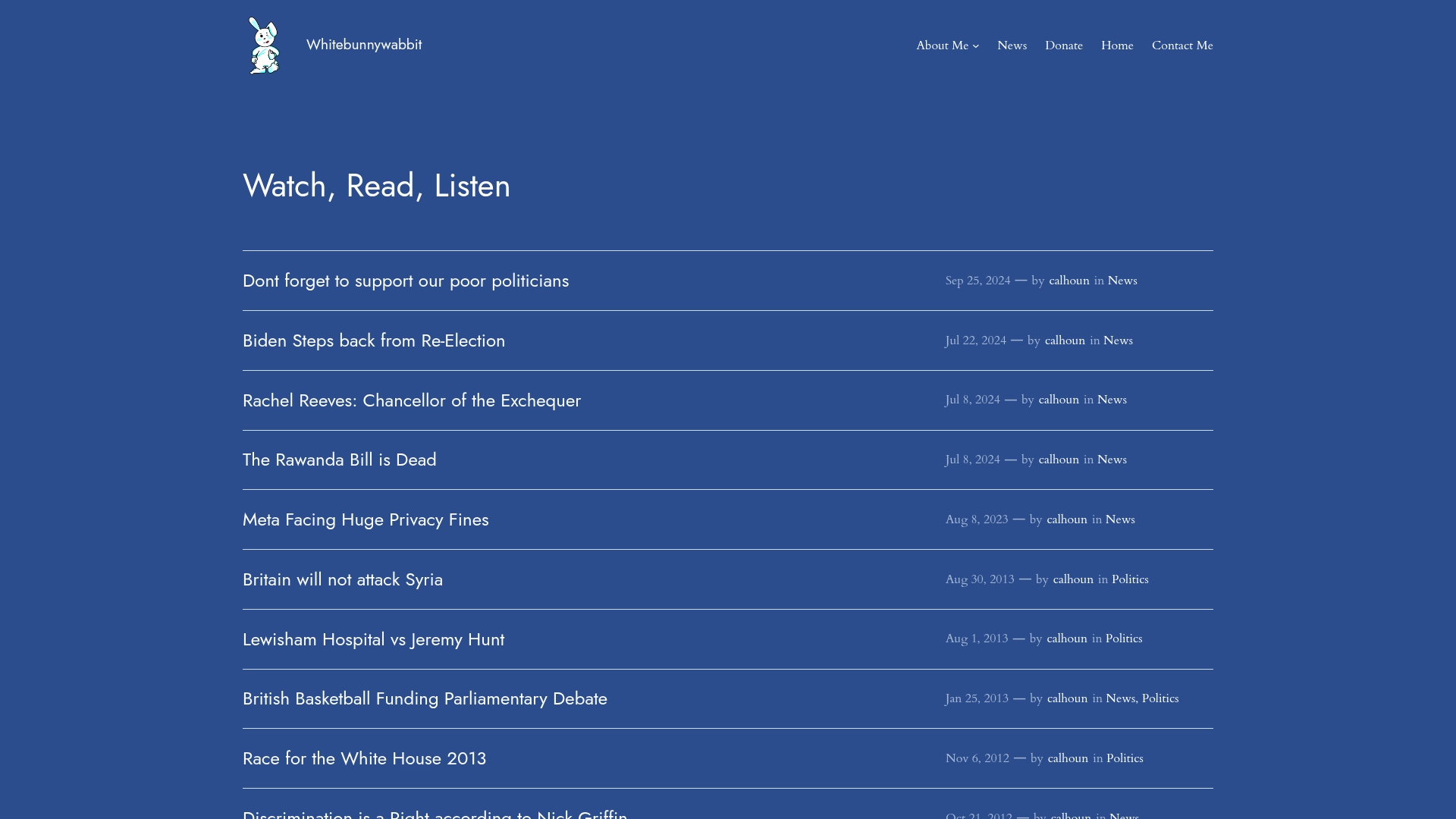
Browse the insightful articles and resources on Whitebunnywabbit to enhance your understanding of media manipulation and political debate. Take control of your information intake by visiting today and access content designed to sharpen your critical thinking and fuel informed discussions.
Frequently Asked Questions
What makes Whitebunnywabbit unique for media literacy education?
Whitebunnywabbit offers free access to educational content focused on media manipulation and social activism. The site provides in-depth analysis authored by John Cuthbert, which is ideal for readers seeking practical guidance on spotting biased reporting. Users can expect straightforward resources to enhance their understanding of media narratives.
How does Whitebunnywabbit compare to RawStory for political news coverage?
RawStory is known for its comprehensive investigative journalism, which provides in-depth, document-based reporting on US political scandals. While RawStory excels at multi-part investigations, Whitebunnywabbit is tailored for educators and activists with a focus on examining misinformation tactics and fostering community engagement. Readers looking for quick, insightful features should consider exploring Whitebunnywabbit.
What kind of readers would benefit the most from Whitebunnywabbit’s content?
Media educators, student researchers, and local activists would greatly benefit from Whitebunnywabbit’s focus on media literacy and civic engagement. The platform’s content is structured to provide evidence-based talking points, making it suitable for classroom discussions and grassroots campaigns. Individuals interested in a singular expert viewpoint will find the site valuable for their efforts.
Does Whitebunnywabbit offer diverse formats for consuming news?
Whitebunnywabbit features articles, guides, and a listening section formatted for easy navigation. This minimalist layout allows readers to transition from viewing news articles to other educational resources without distraction. Users can expect a straightforward experience that effectively supports their research and learning needs.
What limitations should users be aware of regarding Whitebunnywabbit?
Some pages on Whitebunnywabbit may be broken or moved, which can hinder research flows and limit accessibility to referenced material. While the site strives for comprehensive content, users should be mindful of potential navigation issues as they seek specific guides or articles.
Leave a Reply