
Powerful editorial writing is the art of persuading readers through a clear thesis, disciplined evidence, and a direct call to action. Known formally as the opinion editorial or op-ed, this form sits at the heart of public debate. The Pulitzer Prize has recognised outstanding editorial writing since 1917, cementing its status as journalism’s most demanding craft. Whether you write for a student newspaper or a national publication, studying strong editorial examples reveals exactly what separates a piece that shifts opinion from one that simply fills column space. This guide breaks down the techniques, structures, and real-world models you need.
1. What structural elements make editorial writing powerful?
A high-impact editorial structure consists of five parts: a clear introduction with thesis, body paragraphs with evidence, counterargument, rebuttal, and a conclusive call to action. This structure creates logical momentum that carries the reader from doubt to conviction. Pulitzer Prize-winning editorials follow this pattern without exception.
The introduction must state your position in the first sentence. Readers decide within seconds whether to continue. A vague or context-heavy opening loses them before your argument begins.

Body paragraphs build the case step by step. Each paragraph should carry one piece of evidence, one interpretation, and one link to the central thesis. Placing your strongest evidence in the first two or three paragraphs anchors reader judgement early and sustains argumentative momentum throughout.
The counterargument section is where most writers stumble. Acknowledging the opposing view is not a weakness. It signals confidence and earns trust from sceptical readers.
A strong editorial conclusion restates the thesis freshly, summarises key evidence, and issues a direct call to action. Missing this step reduces editorial impact significantly. Readers need to know exactly what you want them to think, feel, or do.
Pro Tip: Draft your call to action before you write the introduction. Knowing your destination sharpens every sentence that leads to it.
2. Which editorial writing techniques drive impact and credibility?
Disciplined rhetoric is the engine of persuasion in any impactful opinion piece. It means choosing evidence deliberately, framing arguments logically, and never relying on emotional manipulation alone. The most effective editorials combine data, expert authority, and concrete storytelling.
Key techniques used in notable editorial essays include:
- Triangulating data. Verify key statistics against at least three independent, reliable sources. This prevents easy dismissal and signals rigour to informed readers.
- Steelmanning opposing views. Steelmanning means presenting the strongest possible version of the opposing argument before rebutting it. This builds far more credibility than attacking a weak or distorted version of the opposing case.
- Using named, concrete examples. Referencing two specific city policies, for instance, signals authority and outperforms vague or anecdotal claims. Named examples are harder to dismiss than generalisations.
- Framing with credible sources. Readers are significantly more likely to accept controversial opinions when framed by verifiable sources such as government datasets or major polling organisations.
- Balancing conviction with fairness. Balanced editorial writing is not about giving equal weight to every view. It means being transparent about evidence and engaging opposing ideas respectfully to earn long-term reader trust.
Pro Tip: After drafting, read your editorial as a hostile reader would. If you can knock down your own argument easily, your evidence needs strengthening before publication.
3. Examples of powerful editorial writings and what makes them effective
The best way to learn how to write editorials is to study pieces that have already moved public opinion. Three categories of editorial stand out as models worth studying closely.
The Guardian editorials demonstrate powerful narrative storytelling combined with moral purpose and sound reasoning. A Guardian editorial on climate policy, for example, typically opens with a concrete human story, pivots to verified scientific data, acknowledges economic counterarguments, then closes with a specific legislative demand. The structure is tight. The evidence is named. The call to action is direct.
Pulitzer Prize-winning editorials set the gold standard for persuasive writing in English language journalism. Winning pieces share three consistent features: a single, clearly defined subject; evidence drawn from primary sources; and a conclusion that tells readers precisely what should change. The 2004 Pulitzer for Editorial Writing, awarded to the Los Angeles Times editorial board, exemplified this by combining statistical evidence with named case studies to argue for criminal justice reform.
Student and regional editorials that succeed do so by focusing tightly on one local issue. Broad subjects dilute impact. A school newspaper editorial arguing for a specific change to the lunch programme, backed by a student survey and a named nutritionist’s opinion, is more persuasive than a vague call for “better school food.”
“Effective editorial writing leverages strong evidence and ethical arguments rather than bullying, leading the reader to the conclusion step by step.” — journalism.university
The common thread across all three categories is logical progression focused on a single subject. Writers often lose impact by treating the editorial as a general commentary rather than a persuasive argument with a clear destination.
4. How to apply lessons from powerful editorials to your own writing
Studying strong editorial examples is only useful if you translate those lessons into your own practice. A 10-step editorial writing process covers everything from drafting a clear thesis to a fairness check before publication. The steps below distil the most transferable lessons.
- Write your thesis in one sentence. If you cannot state your position in a single, clear sentence, your argument is not ready to write. Test it on a friend who disagrees with you.
- Gather evidence by triangulation. Cross-check every key statistic against at least three independent sources. One source is a claim. Three sources are a fact.
- Steelman the counterargument. Write the strongest version of the opposing case before you rebut it. This forces you to understand the debate fully and makes your rebuttal far more convincing.
- Use concrete, named examples. Replace every vague reference with a specific one. “A European city” becomes “Amsterdam.” “A recent study” becomes “a 2025 Pew Research Centre survey.”
- Draft a direct call to action. Tell readers exactly what you want them to do. Sign a petition. Contact their MP. Change a specific behaviour. Vague conclusions waste the persuasive work of every paragraph before them.
- Run a fairness check. Before publishing, ask whether you have represented the opposing view honestly. Showing your work transparently and engaging opposing views respectfully is what separates credible editorials from partisan noise.
Understanding how headlines shape opinion is also part of the process. Your headline is the first editorial decision you make, and it frames everything the reader brings to your argument.
5. Comparing strong editorial examples: what to emulate and avoid
Strong editorials and weak ones are often separated by a handful of specific choices. The table below summarises the key differences.
| Feature | Strong editorial | Weak editorial |
|---|---|---|
| Thesis clarity | Single, clear position stated early | Vague or buried position |
| Evidence quality | Named sources, verified statistics | Anecdotal or unattributed claims |
| Counterargument | Steelmanned and rebutted fairly | Ignored or strawmanned |
| Call to action | Direct, specific, linked to thesis | Absent or generic |
| Tone | Confident and fair | Aggressive or mealy-mouthed |
| Reader trust | Built through transparency | Undermined by one-sidedness |
The most common failure in weaker editorials is the missing or vague call to action. A piece that builds a compelling case and then ends with “we must do better” leaves readers with nowhere to go. The call to action must be direct and linked to the thesis, telling readers exactly what to do to drive real-world impact.
Avoiding the trap of clickbait-style writing is equally important. Sensational framing may attract initial clicks, but it destroys the credibility that makes editorial writing persuasive over time.
Key takeaways
Powerful editorial writing succeeds when a clear thesis, triangulated evidence, steelmanned counterarguments, and a direct call to action work together as a single, logical argument.
| Point | Details |
|---|---|
| Structure drives persuasion | A five-part structure with thesis, evidence, counterargument, rebuttal, and call to action is the foundation of every effective editorial. |
| Evidence must be triangulated | Verify key statistics against at least three independent sources to prevent dismissal and build credibility. |
| Steelman, do not strawman | Present the strongest version of the opposing argument before rebutting it to earn trust from sceptical readers. |
| Call to action must be specific | A direct, thesis-linked call to action is what converts a well-argued editorial into real-world impact. |
| Named examples outperform vague claims | Concrete, named references signal authority and are far harder for readers to dismiss than generalisations. |
What I have learnt from years of reading and writing editorials
The single biggest mistake I see writers make is confusing passion with persuasion. A strongly felt opinion is not an argument. An argument is a thesis supported by evidence, tested against the best counterarguments, and delivered with a clear destination in mind.
The editorials that have stayed with me longest are not the angriest ones. They are the ones that made me feel the writer had genuinely wrestled with the opposing view before arriving at their conclusion. That quality, what the writing community calls steelmanning, is rarer than it should be. Most writers are in too much of a hurry to win to take the time to understand what they are arguing against.
Clarity is the other underrated virtue. The best editorial writers I have read, from the Guardian’s leader writers to regional journalists covering local planning disputes, share one habit. They can state their position in a single sentence before they write a word of the piece itself. If you cannot do that, you are not ready to write. You are still thinking.
My advice to any writer working on their editorial craft is simple. Read widely, study the structure of pieces that moved you, and practise writing your thesis before your introduction. The technique is learnable. The discipline is a choice.
— John
Whitebunnywabbit’s resources for editorial writers
Whitebunnywabbit publishes opinion pieces, political commentary, and media analysis that offer working examples of editorial writing in action.
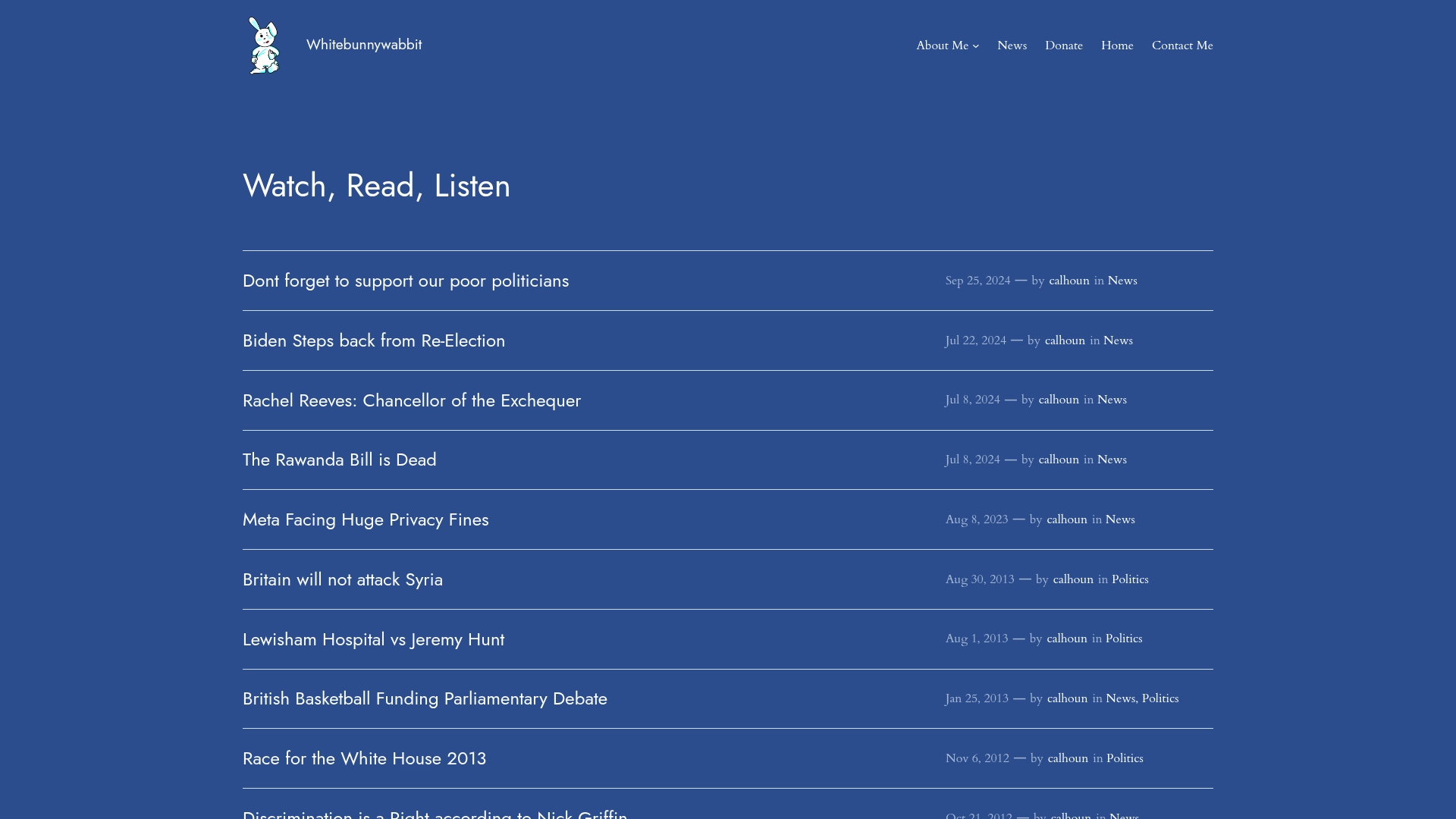
Readers who want to sharpen their editorial skills will find a range of articles covering argumentation, media literacy, and journalistic technique across the site. The education resources at Whitebunnywabbit offer structured guidance for writers and journalism students looking to develop their craft. For a broader view of how opinion writing functions in public debate, the Whitebunnywabbit archive provides a catalogue of commentary across politics, policy, and current affairs. Good editorial writing is a skill built through reading as much as through writing.
FAQ
What are the key elements of powerful editorial writing?
Powerful editorial writing requires a clear thesis, evidence verified from credible sources, a steelmanned counterargument, and a direct call to action. These elements work together to build logical momentum and reader trust.
How long should a strong editorial be?
A high-impact editorial typically runs between 500 and 800 words. This length is long enough to build a full argument but short enough to hold a reader’s attention throughout.
What is steelmanning and why does it matter?
Steelmanning means presenting the strongest possible version of the opposing argument before rebutting it. It builds credibility with sceptical readers and produces a far more convincing rebuttal than attacking a weak or distorted version of the opposing case.
How do I write a strong editorial conclusion?
A strong conclusion restates the thesis in fresh language, summarises the key evidence, and issues a specific call to action. Ending with a vague statement such as “we must do better” significantly reduces the editorial’s real-world impact.
What makes The Guardian editorials effective examples to study?
The Guardian editorials consistently combine narrative storytelling with verified data and a clear moral argument. They acknowledge counterarguments, use named sources, and close with specific demands, making them reliable models of persuasive editorial writing in practice.
Leave a Reply